
Featured

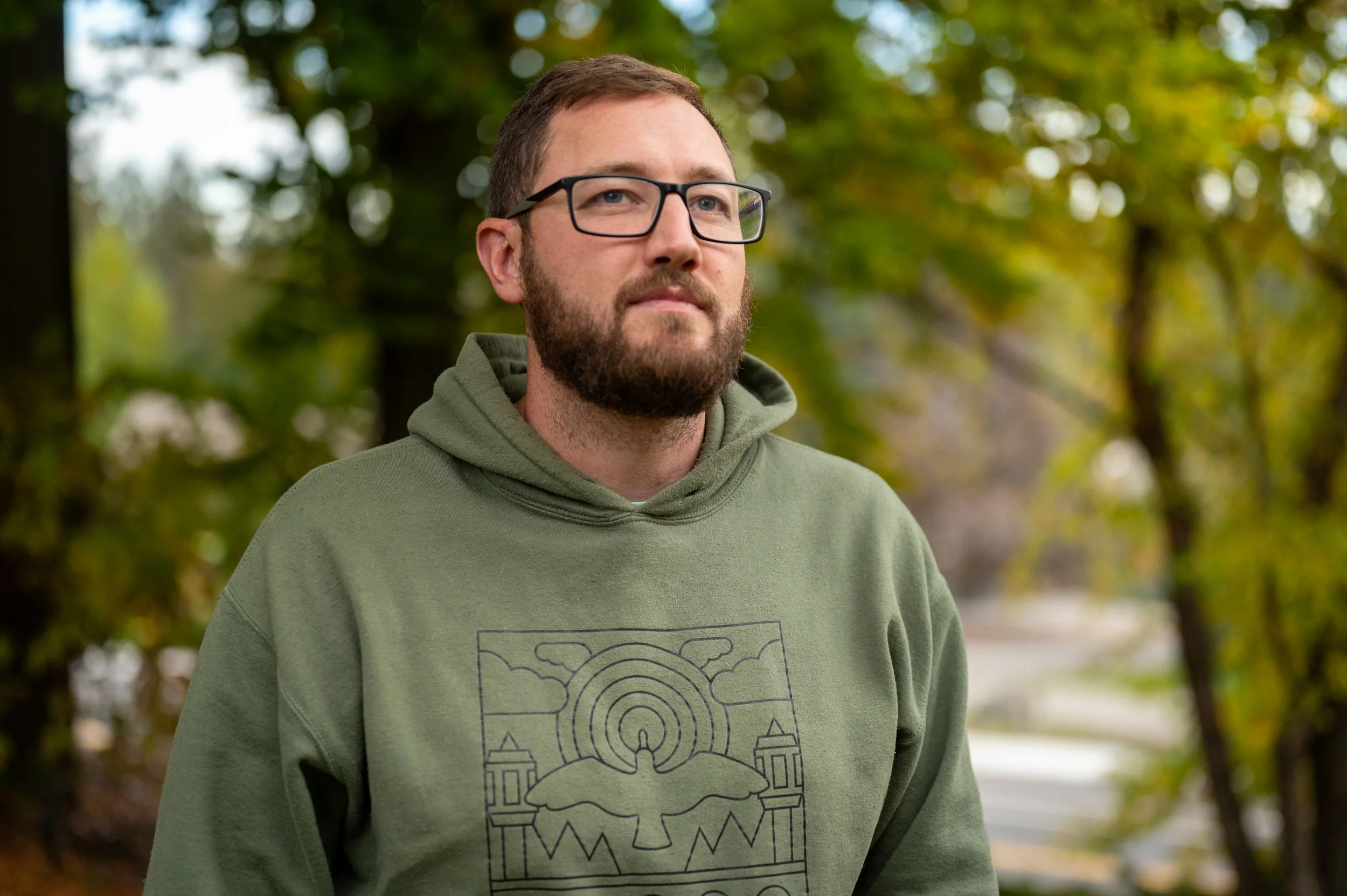
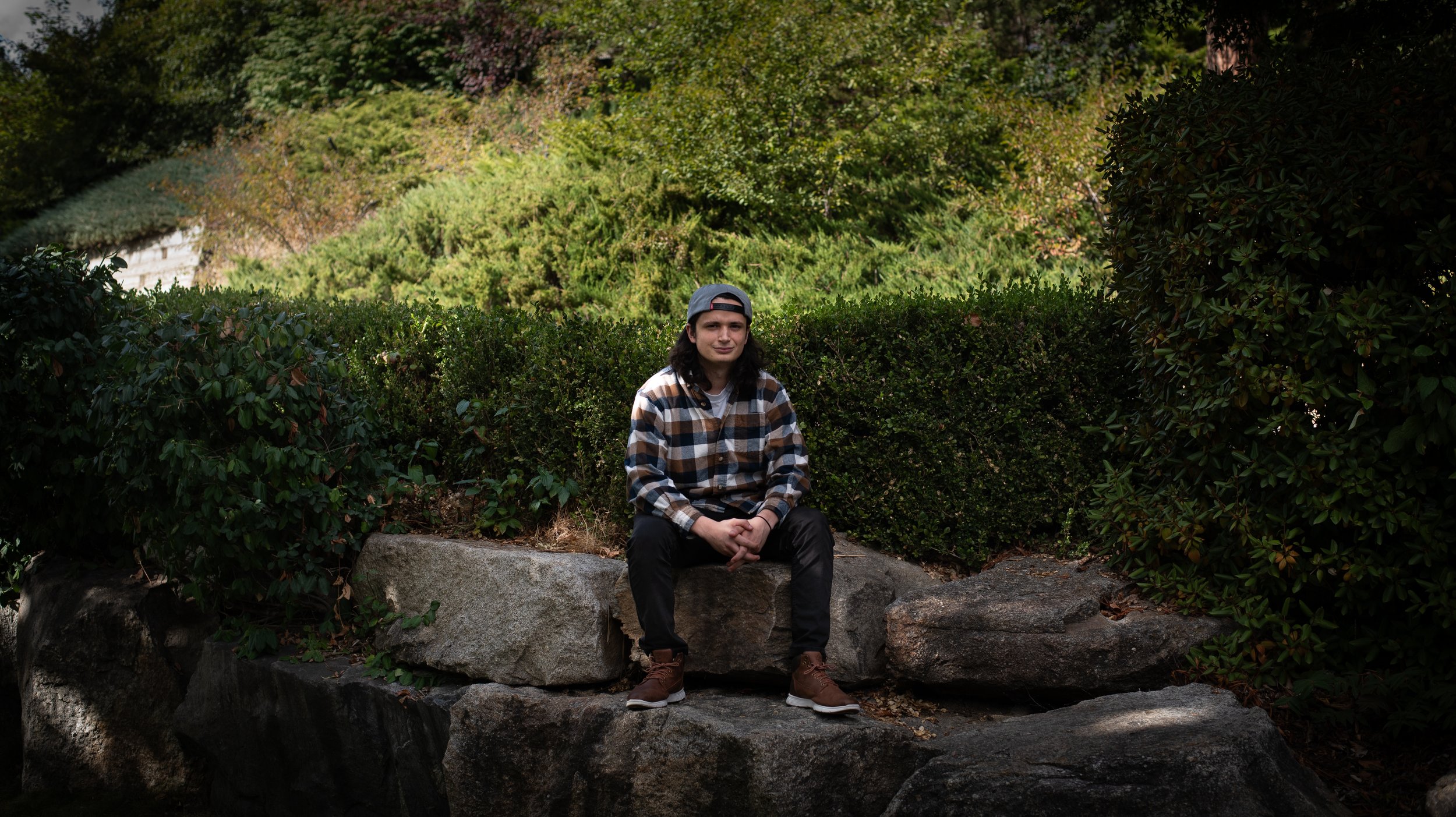
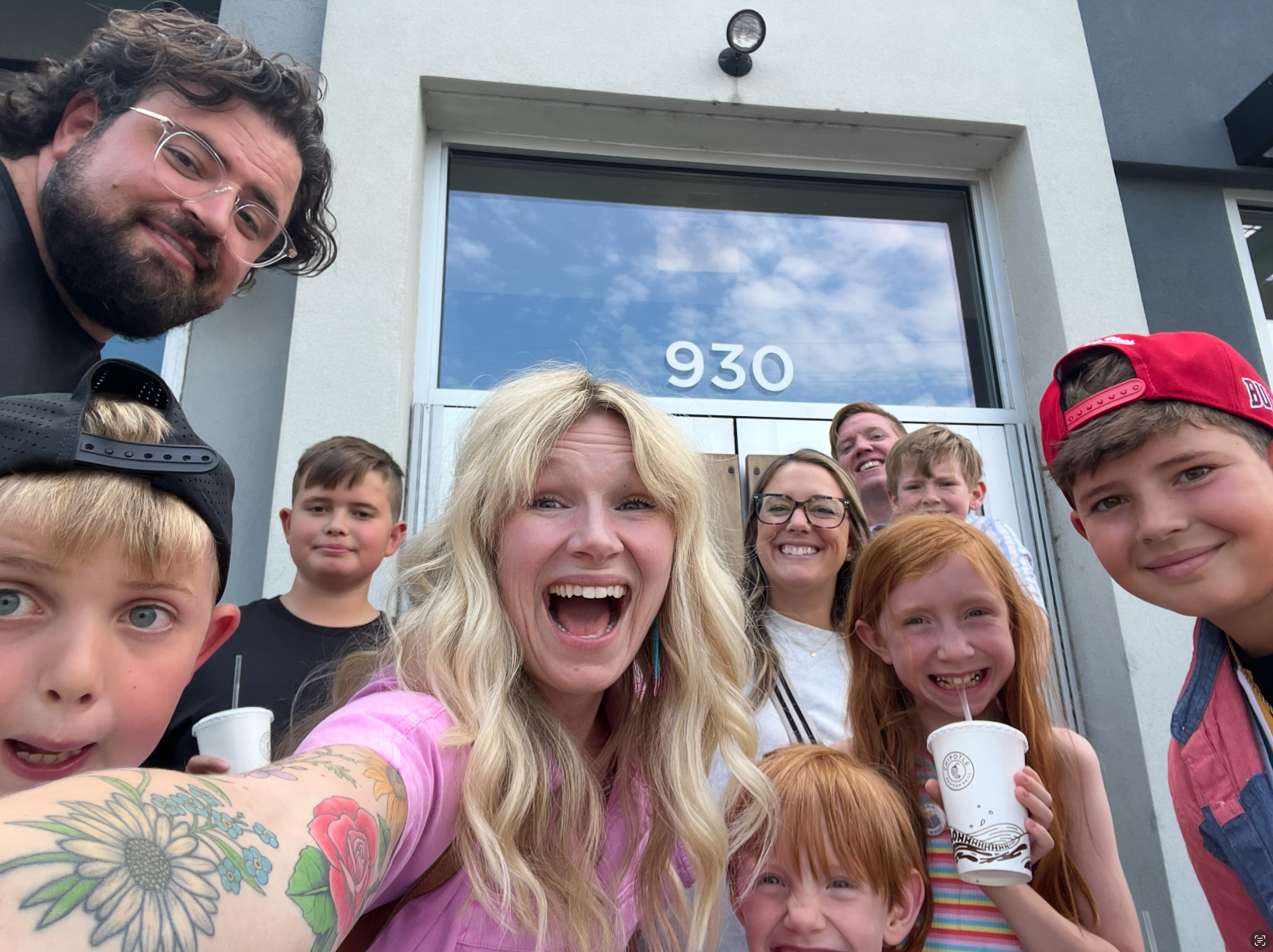
"I got a lot of advice from a lot of people," Barb recalls, her voice steady but tinged with old hurt. "'You have your whole life ahead of you—put her in an institution and go on with your life.' People would say, 'Nobody's ever going to want you with someone else's child, much less with one that's disabled.'"
As much as Barb was proud and defiant, those words burrowed deep. After a while, she began to believe them. Maybe nobody would ever see her, know her, want her. She wouldn't have said God abandoned her—rather, she felt she had walked out on Him.
The young man who'd always been able to perform his way through life suddenly couldn't. The achiever who managed his reputation was stripped of all control.
"Those years taught me desperate dependence on Jesus," Joel says, with an emphasis on the word “desperate.”
Then came Iraq.
Joel's voice changes when he talks about combat. "I have never felt so scared… and at the same time so held, so convicted that Jesus changes the world, and only he can heal us all and reconcile us to God."
Hayden laughs when he tells me about his plan for surviving seventh grade, all those years ago: learn guitar to get girls to like him. "I grew up on '80s movies and rock music. Obviously, I need girls to like me," he explains with a self-deprecating grin. "Funny enough, you can learn guitar, but if you don't talk to girls, it doesn't matter."
The logic seemed bulletproof to a thirteen-year-old whose parents were in the middle of a devastating divorce.
"My dad John was the one who led me toward Jesus Christ," she says, then pauses. "Despite his own severe struggles with addiction."
There's no bitterness in Karina's voice, just wonder. Watching her father pursue Christ even while battling his demons gave her hope that Jesus could save anyone—even her.